

Efficient Property Security Services UK: A Practical Guide
Managing property security in the UK is a critical responsibility. Whether you oversee commercial buildings, clinics, or business premises, ensuring safety and compliance is non-negotiable. I have seen firsthand how effective security measures can protect assets, reduce risks, and provide peace of mind. This guide will walk you through the essentials of efficient property security services UK, offering practical advice and clear steps to enhance your security framework.
Understanding Property Security Services UK
Property security services UK cover a broad range of solutions designed to protect buildings, assets, and occupants. These services include physical security measures, electronic surveillance, access control, and emergency response planning. The goal is to create a secure environment that deters crime, manages risks, and complies with legal standards.
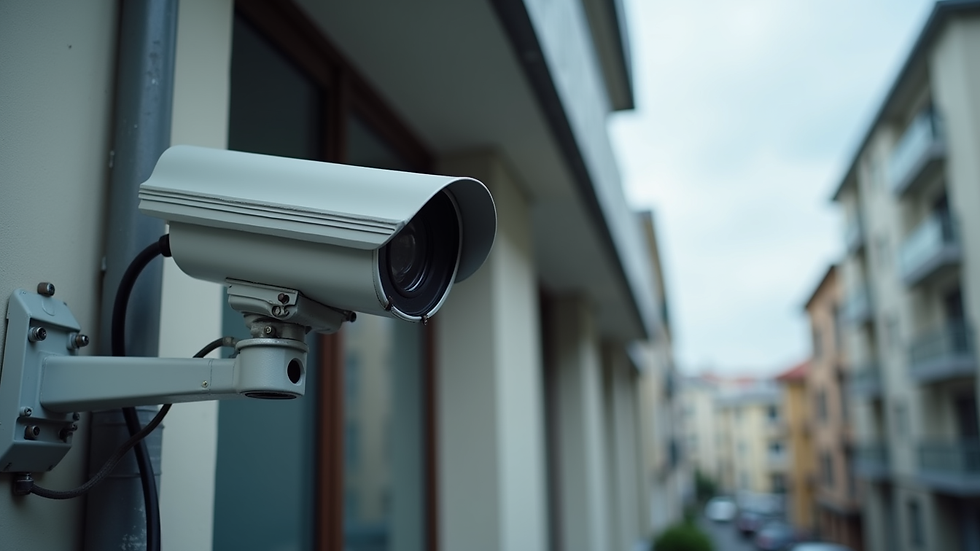
For example, installing CCTV cameras at strategic points around a commercial building can deter theft and vandalism. Similarly, access control systems ensure that only authorised personnel enter sensitive areas. These measures work together to create a layered defence.
When selecting property security services UK, consider the specific needs of your premises. A clinic may require strict access controls to protect patient data and pharmaceuticals, while a warehouse might prioritise perimeter security and intrusion detection.

Key Components of Efficient Property Security
To build an effective security system, focus on these core components:
Physical Barriers: Fences, gates, and secure doors prevent unauthorised entry.
Surveillance Systems: CCTV cameras and monitoring stations provide real-time oversight.
Access Control: Key cards, biometric scanners, and PIN codes restrict access.
Alarm Systems: Intruder alarms alert security personnel and law enforcement.
Lighting: Well-lit areas reduce hiding spots and increase visibility.
Security Personnel: Trained guards offer a human presence and rapid response.
Each element plays a vital role. For instance, good lighting complements CCTV by improving image quality and deterring intruders. Meanwhile, security personnel can respond to alarms and suspicious activity promptly.
Regular maintenance and testing of all systems are essential. A faulty alarm or camera can create vulnerabilities. Schedule routine checks and update technology as needed to stay ahead of evolving threats.
What are the 4 types of security?
Understanding the four main types of security helps clarify how to protect your property comprehensively:
Physical Security
This involves tangible barriers and controls such as locks, fences, and security guards. It is the first line of defence against physical intrusion.
Technical Security
This includes electronic systems like CCTV, alarms, and access control devices. These technologies monitor and control access to the property.
Administrative Security
Policies, procedures, and training fall under this category. It ensures that staff understand security protocols and act accordingly.
Operational Security
This type focuses on day-to-day activities that protect assets, such as visitor management, incident reporting, and emergency response plans.
By integrating all four types, you create a robust security posture that addresses multiple angles of risk.
Practical Steps to Enhance Property Security
Improving property security does not have to be complicated. Here are actionable steps you can take immediately:
Conduct a Security Audit
Assess your current security measures. Identify weak points such as poorly lit areas, outdated locks, or blind spots in surveillance.
Upgrade Technology
Invest in modern CCTV systems with high-resolution cameras and remote monitoring capabilities. Consider smart access control systems that log entries and exits.
Train Staff
Ensure everyone understands security protocols. Regular training sessions help staff recognise suspicious behaviour and respond appropriately.
Implement Visitor Management
Use sign-in systems and issue visitor badges. This controls access and keeps a record of who is on-site.
Develop Emergency Plans
Prepare for incidents like break-ins, fires, or medical emergencies. Clear procedures and regular drills improve readiness.
Partner with Professionals
Engage with experts who provide property management security services tailored to your needs. Their experience can fill gaps and enhance your security strategy.
Staying Compliant and Future-Proofing Security
Compliance with UK regulations is essential. Laws such as the Data Protection Act and Health and Safety regulations impact how you manage security, especially regarding surveillance and data handling.
Keep documentation of all security measures and training. This not only helps with compliance but also supports insurance claims if incidents occur.
Looking ahead, technology will continue to evolve. Artificial intelligence, facial recognition, and integrated security platforms are becoming more common. Stay informed about these trends and consider gradual upgrades to keep your property secure.
Building a Trusted Security Partnership
Security is not a one-time task but an ongoing commitment. Building a trusted partnership with a reliable security provider ensures continuous support and adaptation to new challenges.
I recommend choosing a partner who understands the unique needs of UK businesses and commercial properties. They should offer comprehensive solutions, from risk assessment to installation and maintenance.
By working together, you can create a secure environment that protects your assets, supports your operations, and complies with all relevant standards.
Efficient property security services UK are essential for safeguarding your premises and assets. By understanding the components of security, implementing practical measures, and partnering with experts, you can build a resilient security system. This approach not only deters threats but also supports smooth, compliant operations across your property portfolio.


Comments